ACADEMICS
Learning is an Adventure
At CCS, we believe that true learning isn’t confined to a classroom—it happens when small hands and curious minds engage with the world around them. Our nature-based curriculum is thoughtfully designed around the FASCP philosophy, emphasizing holistic learning through hands-on experiences.
Preschool
Program
Nature Based
Curriculum
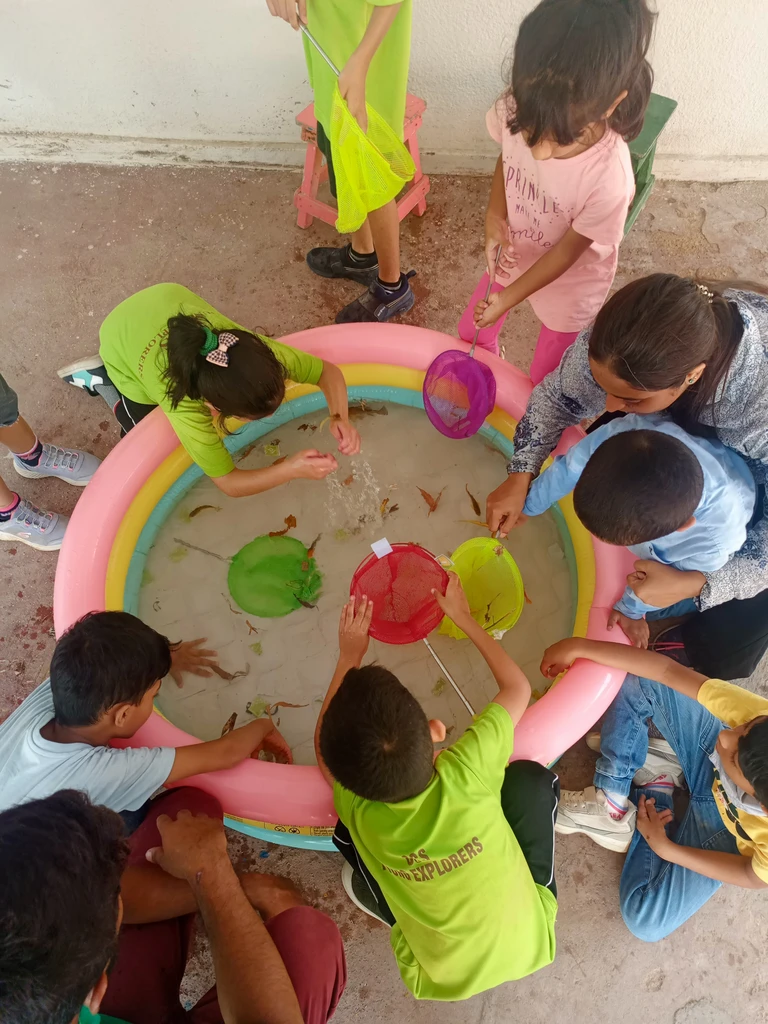
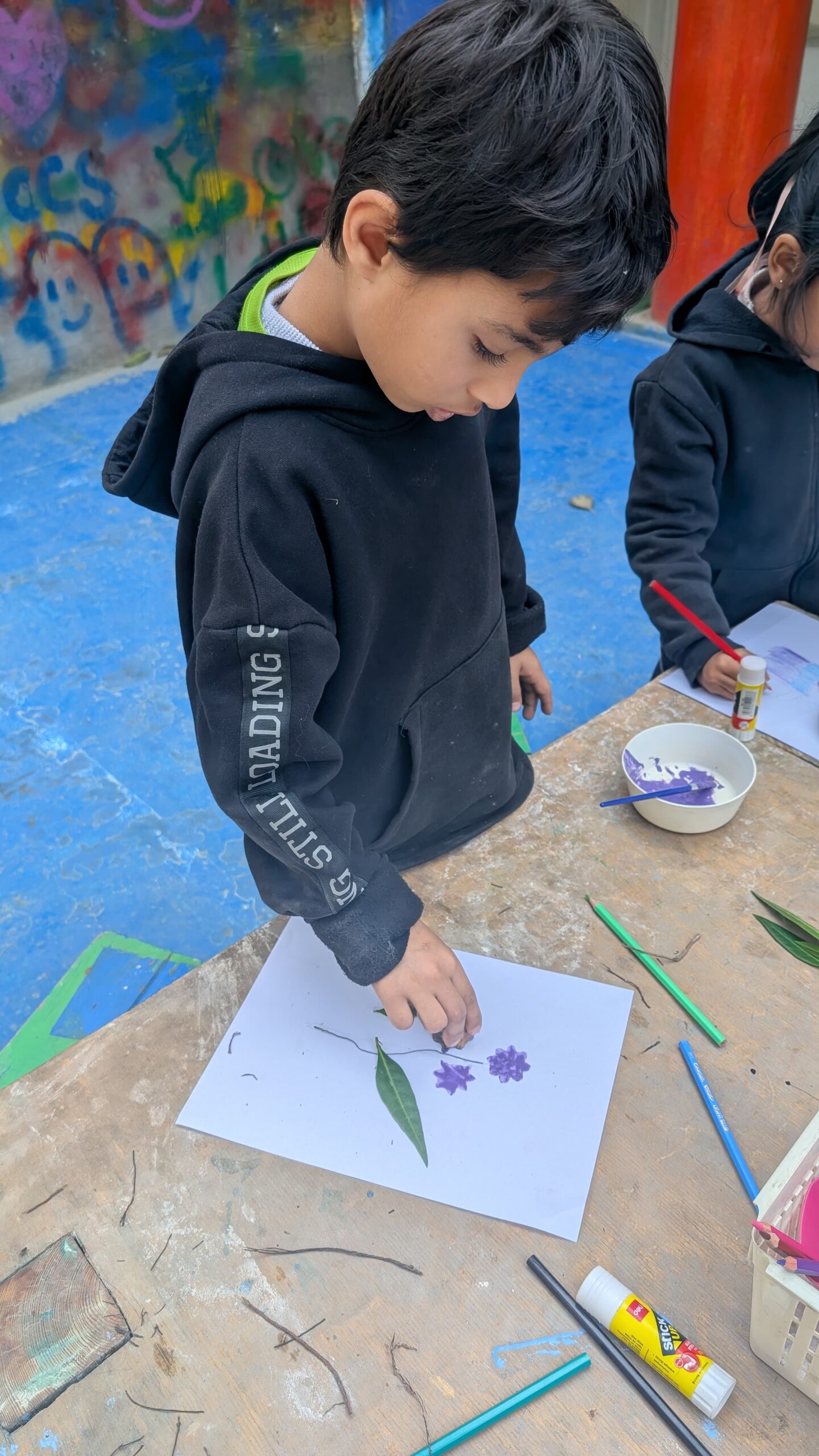
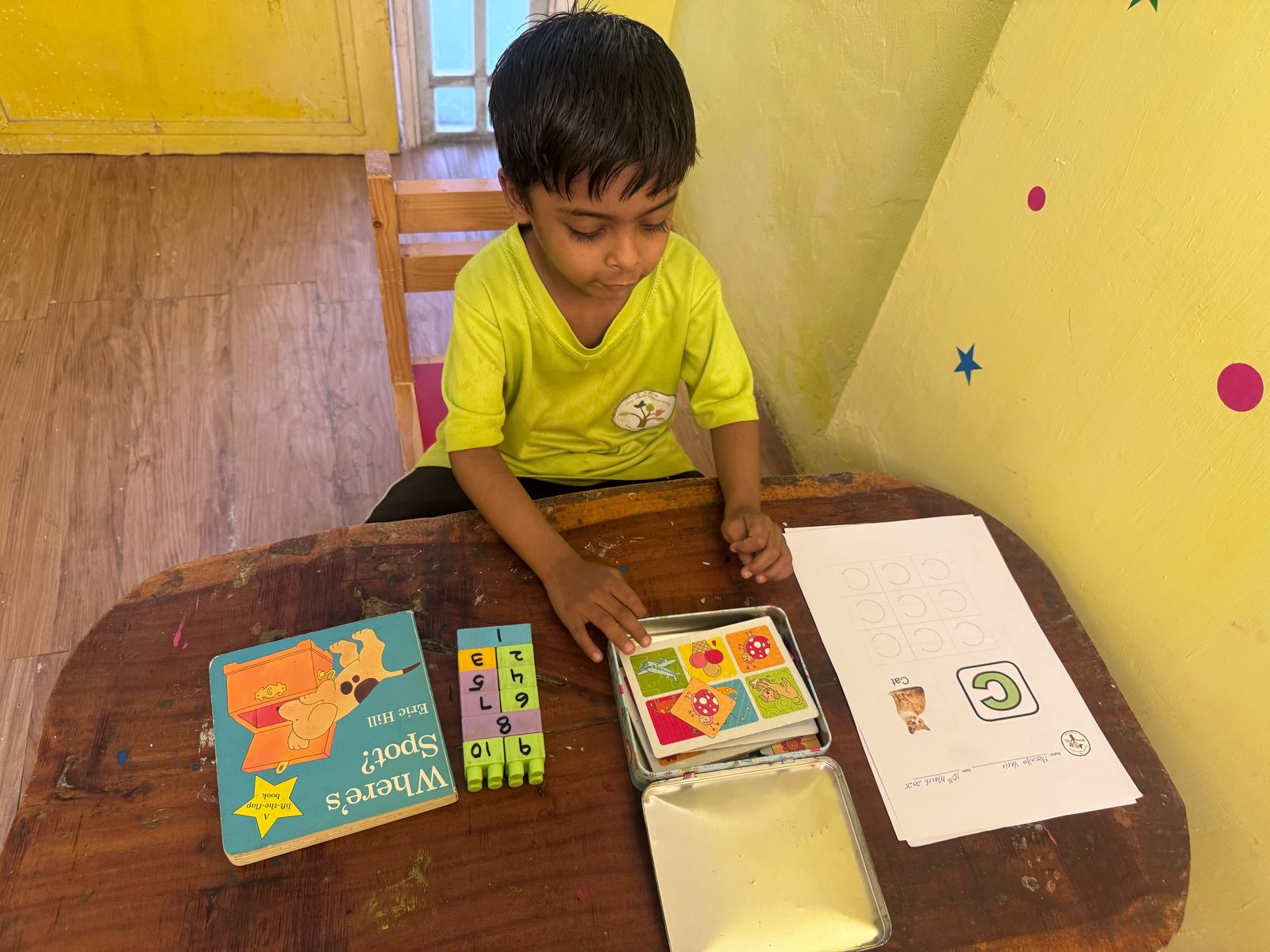
Children connect with the natural world in meaningful ways—whether it’s feeling the texture of a leaf, observing how the seasons change our garden, or collaborating on an outdoor building project. These rich, sensory experiences are the foundation of our academics. We then bridge this discovery with classroom learning, helping children transfer their ideas and observations onto paper to build essential literacy, numeracy, and critical thinking skills.
Waldorf
Inspired
Inspired by the Waldorf philosophy, we believe in educating the whole child—their thinking Head, their willing Hand, and their feeling Heart. Our curriculum is a rich tapestry that weaves these three elements together in everything we do.
Children engage their Head as they question and discover in the natural world, their Hand as they create, build, and work in the garden, and their Heart as they build friendships, express themselves through art, and develop a deep sense of empathy. This balanced approach ensures learning is not just remembered, but truly lived and felt.
The Heart of
Our Curriculum

1. Learning Outdoors
The world is our classroom. We use our outdoor spaces for everything from science explorations and nature walks to storytelling and art. Being outside encourages curiosity, builds physical confidence, and gives children a deep appreciation for their environment. It’s where they learn to observe, question, and discover at their own pace.
2. Music and Rhythms
Music is the heartbeat of our school day. From morning songs that bring us together to rhythmic games that teach patterns and coordination. This isn’t just about fun; it’s a powerful tool for language development, emotional expression, and building a joyful community. Waldorf teachings are all about the rhythm and the coordination among the heart, hand and head.
3. Hands-On Skills
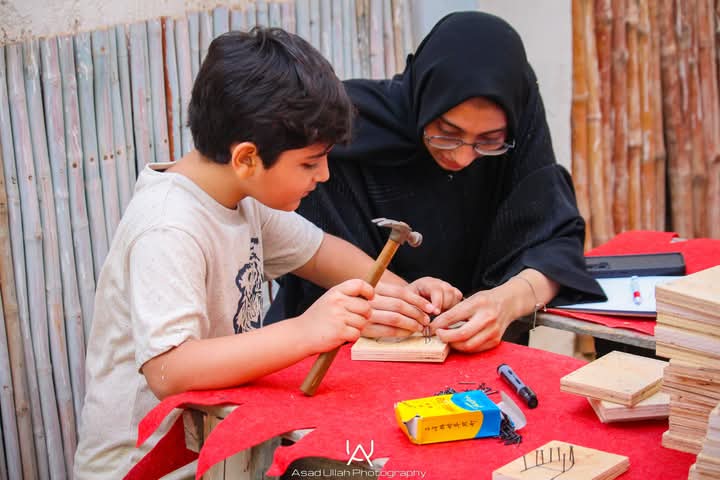
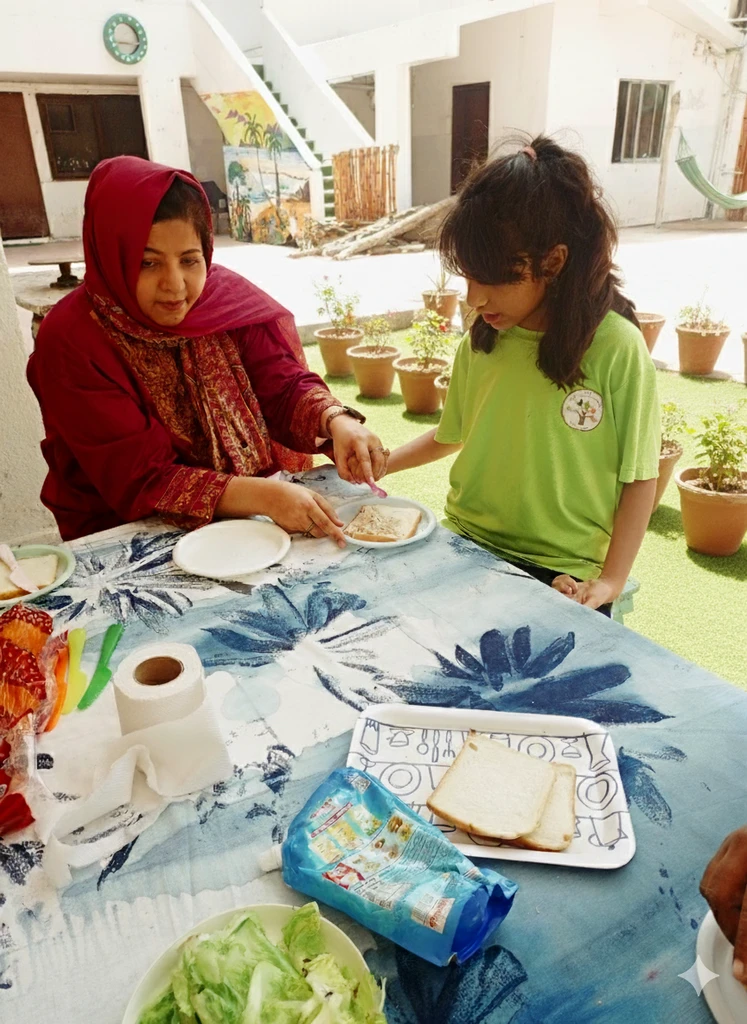
We live by our FASCP philosophy, where children learn best by doing. Our program is filled with tactile, real-world activities that build practical skills and confidence. Whether they’re shaping clay in a sculpting session, planting seeds in our garden, measuring ingredients during Chef Time, or learning the basics of woodworking with real tools under careful guidance, children are empowered to create, experiment, and see the tangible results of their efforts.
4. Monitored Risk-Taking
To grow into confident and resilient individuals, children need the freedom to test their own limits. We provide a safe and supportive environment where they are encouraged to take small, monitored risks—like climbing a little higher, navigating a tricky path, or using a new tool. This process teaches them problem-solving, builds self-trust, and fosters a wonderful sense of independence.
5. Empathy and Kindness
Kindness is a core value at CCS. We actively teach children to be aware of the feelings of others and to care for the world around them. This is practiced daily through collaborative play, sharing responsibilities, and learning to care for living things, from our classroom plants to the animals we observe in nature. We are nurturing not just smart students, but kind and compassionate human beings.
NBL & NBECE Curriculum
Featuring FASCP

Farming
through plantation, taking care of animals & cooking

Arts
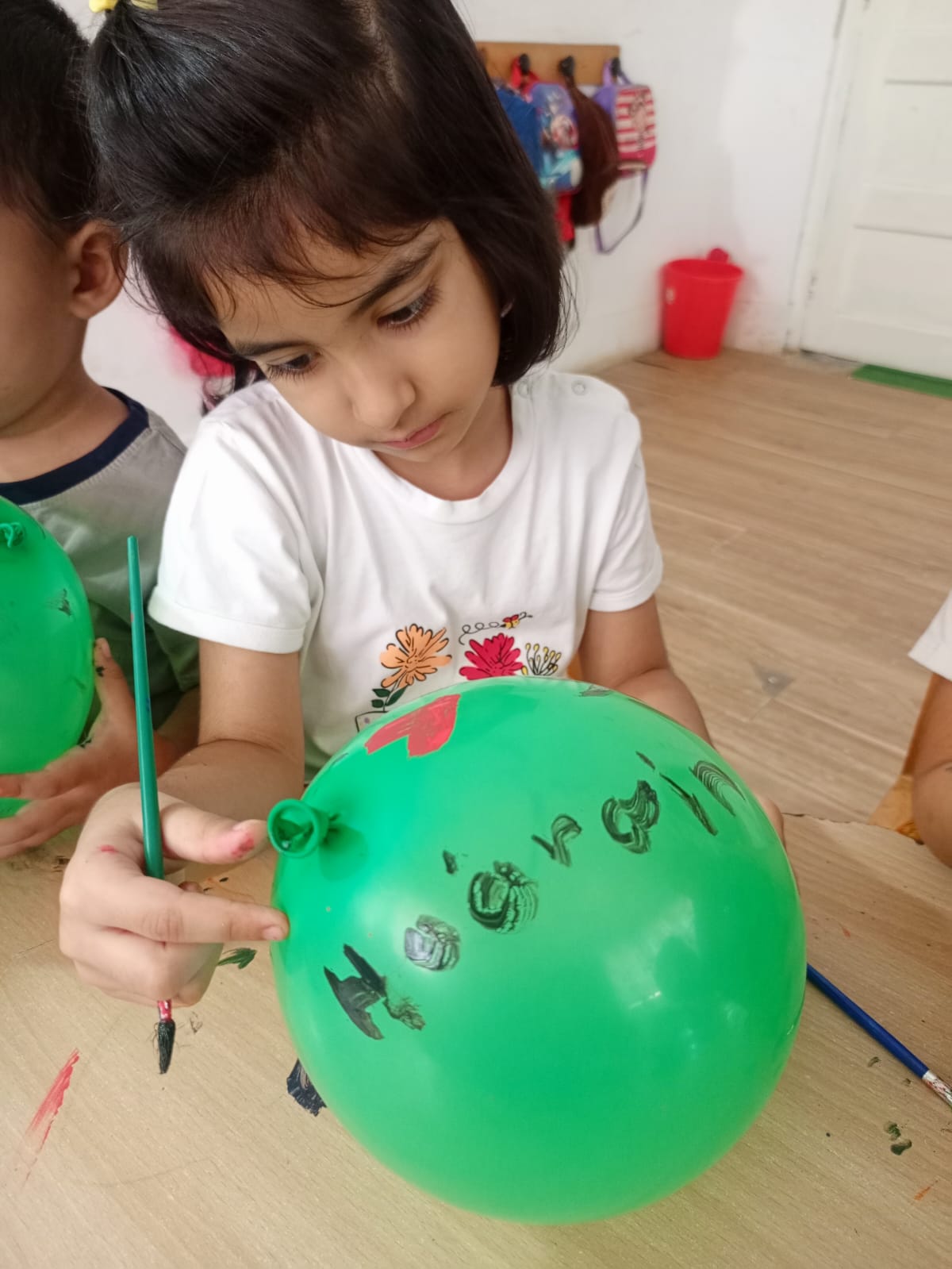
through painting, clay modeling, designing, crafts

Science
though research & experiments

Construction
through wood art, building blocks and various other mediums

Philosophy
through storytelling, puppetry, and music
Frequently Asked Questions
What Are The School Hours For Pre-schoolers?
Our core pre-school program runs from 9:00 AM to 12:00 PM, Monday to Friday.
What Does A Day In The Life Of A Pre-schooler Look Like?
A typical day is a gentle blend of umstructured activities and play. It start with a morning circle for songs, zumba, stories, Taekwondo, followed by outdoor exploration in the garden. After a healthy snack, children engage in hands-on activities like art, sculpting, or a science experiment. The day winds down with quiet reading and reflection before pickup.
Do Pre-schoolers Need To Be Toilet Trained?
While it’s helpful if children are on their way to being toilet trained, we understand that every child develops at their own pace. We work patiently and in partnership with parents to support their child through this milestone.
What Are Your Class Sizes?
We pride ourselves on our small class sizes and low student-to-teacher ratio. This ensures every child receives the individual attention and support they need to thrive. Typically, our classes have no more than 20 students with two dedicated teachers.
How do you keep parents updated on their child's progress?
We believe in a strong partnership with our parents! We host a monthly Parent-Teacher Standup Session on the last Friday of every month, starting after 12:00 PM. This is an open invitation for all parents to come and have a friendly chat with teachers and the school management to discuss their child’s growth, joys, and milestones.
Is There A Language Program?
Our primary language of instruction is English. We create a language-rich environment through storytelling, songs, and daily conversation. Children are also naturally exposed to Urdu through cultural stories and interactions, celebrating the linguistic diversity of our community.
Nurturing Whole Child
Head, Heart & Hands
GET IN
TOUCH